Find Ethical Clothing Manufacturer
admin2026-09-10T13:38:45+00:00Find Ethical Clothing Manufacturer
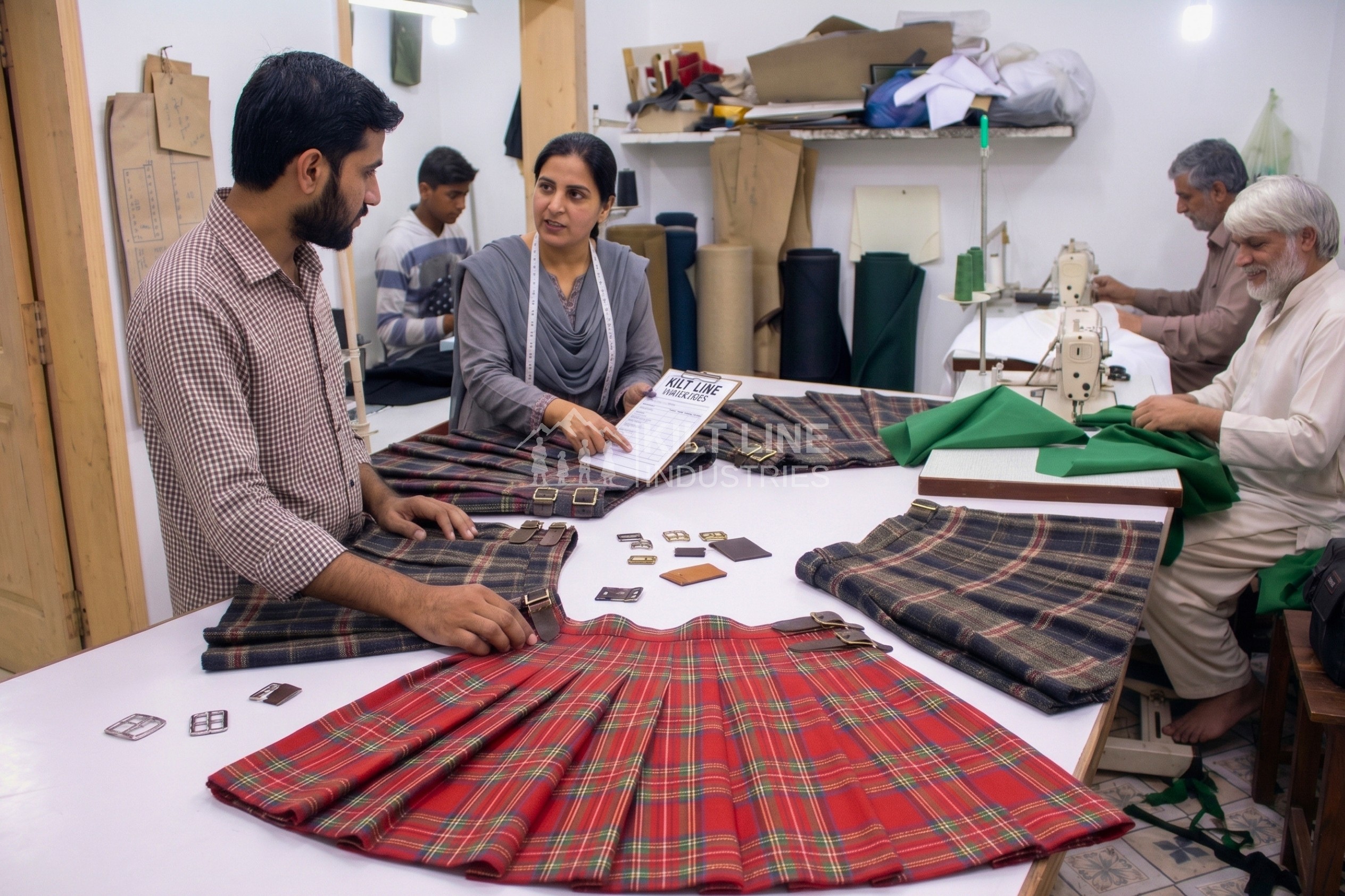
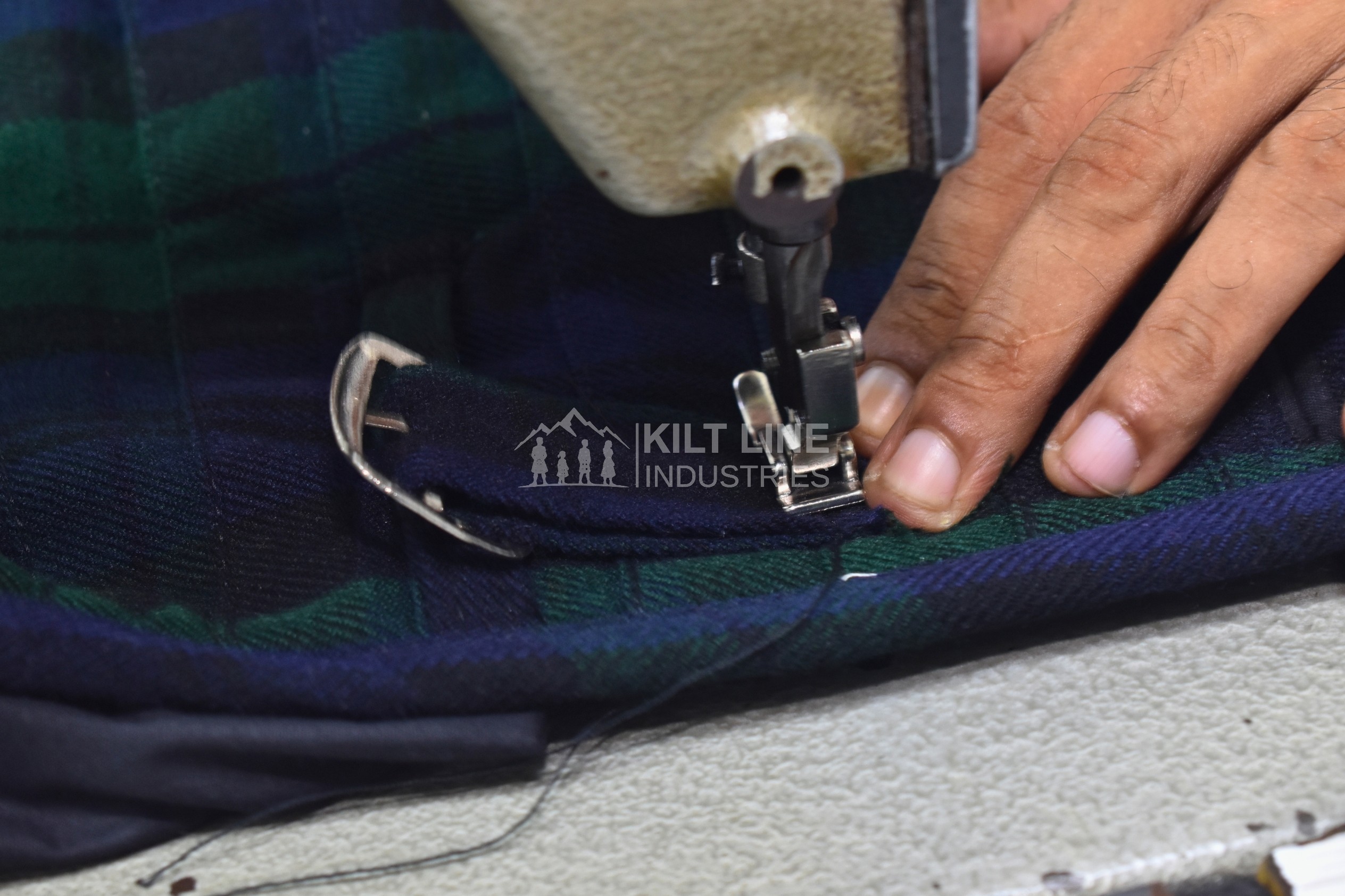
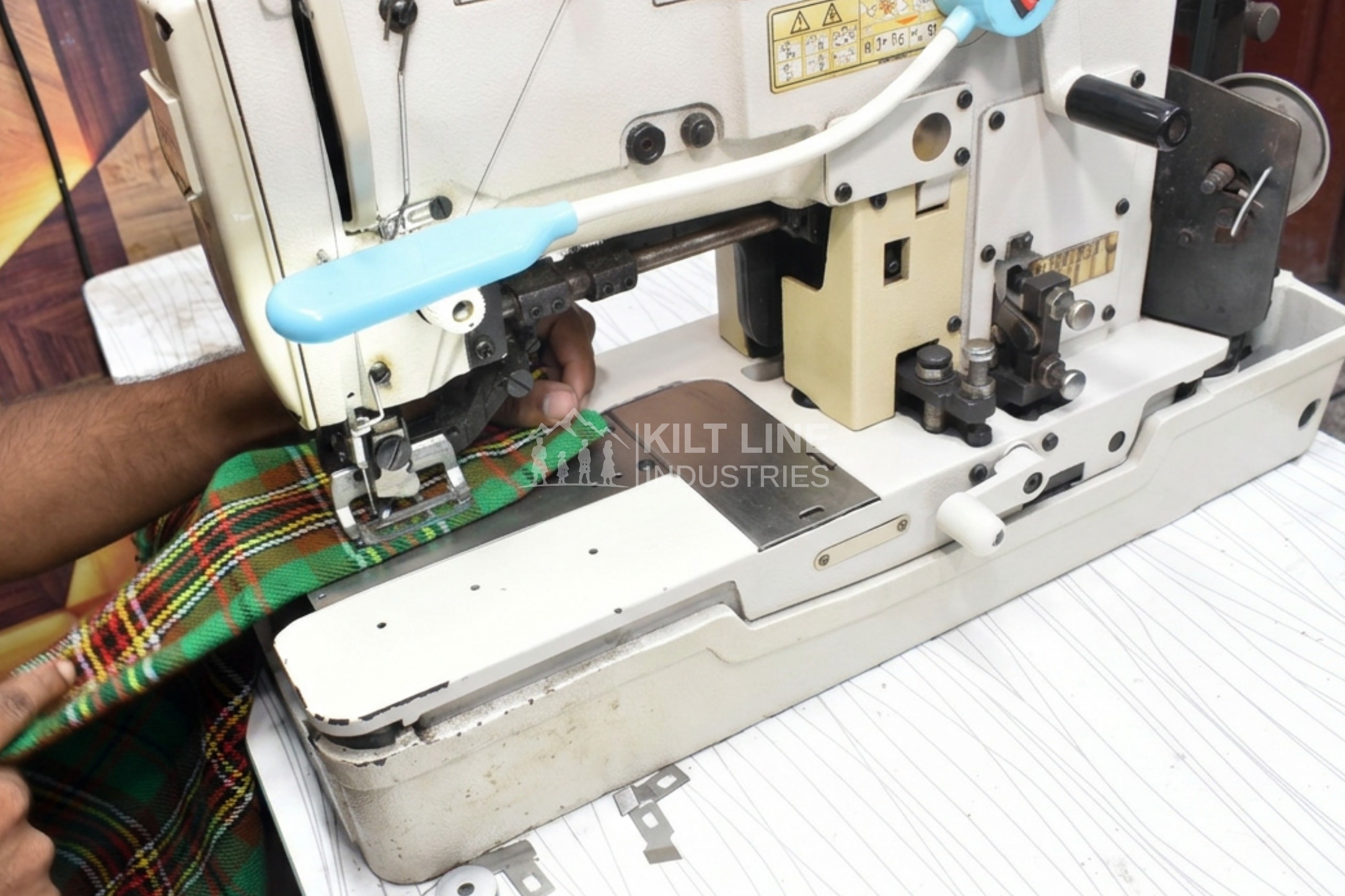
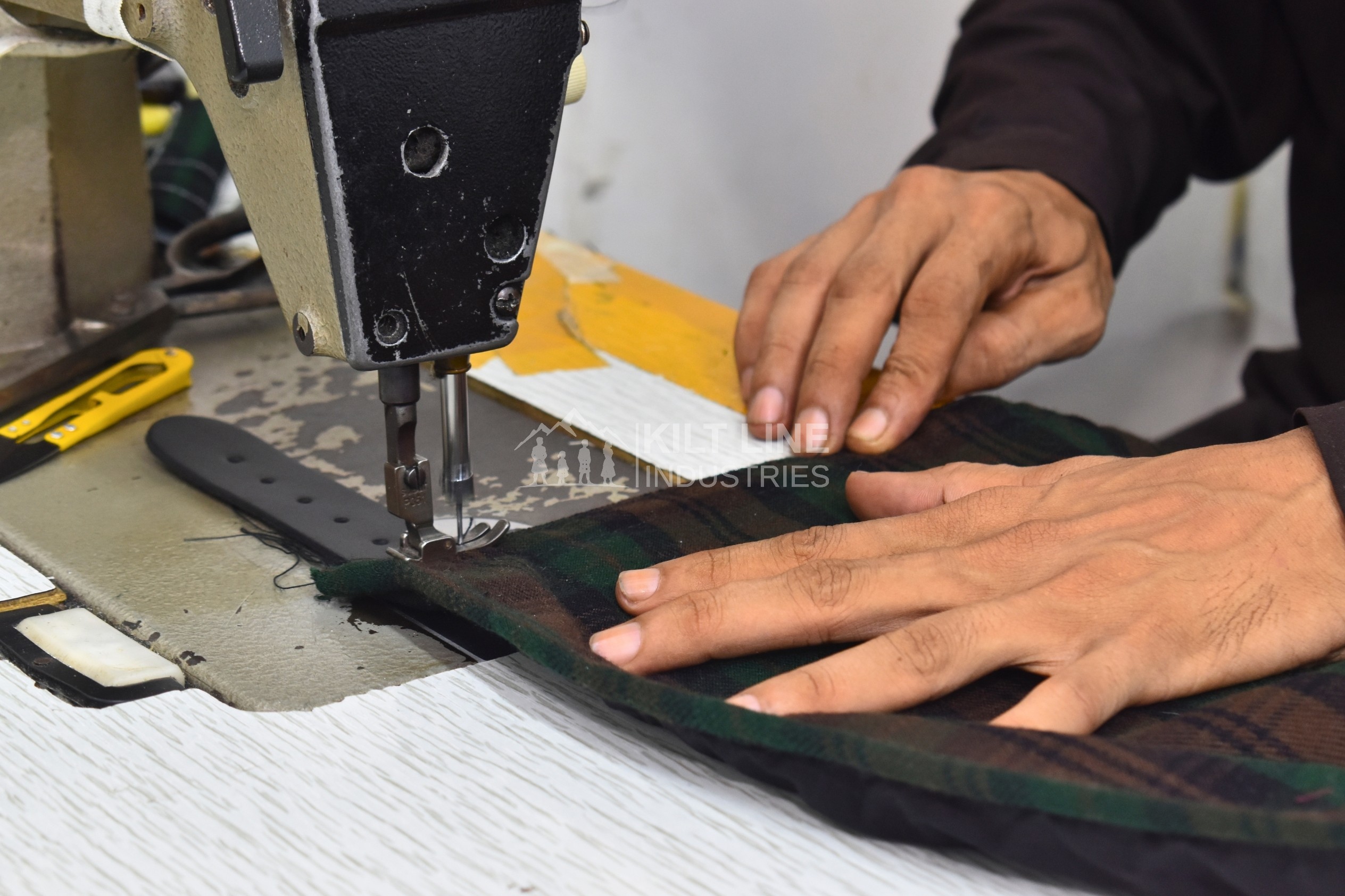
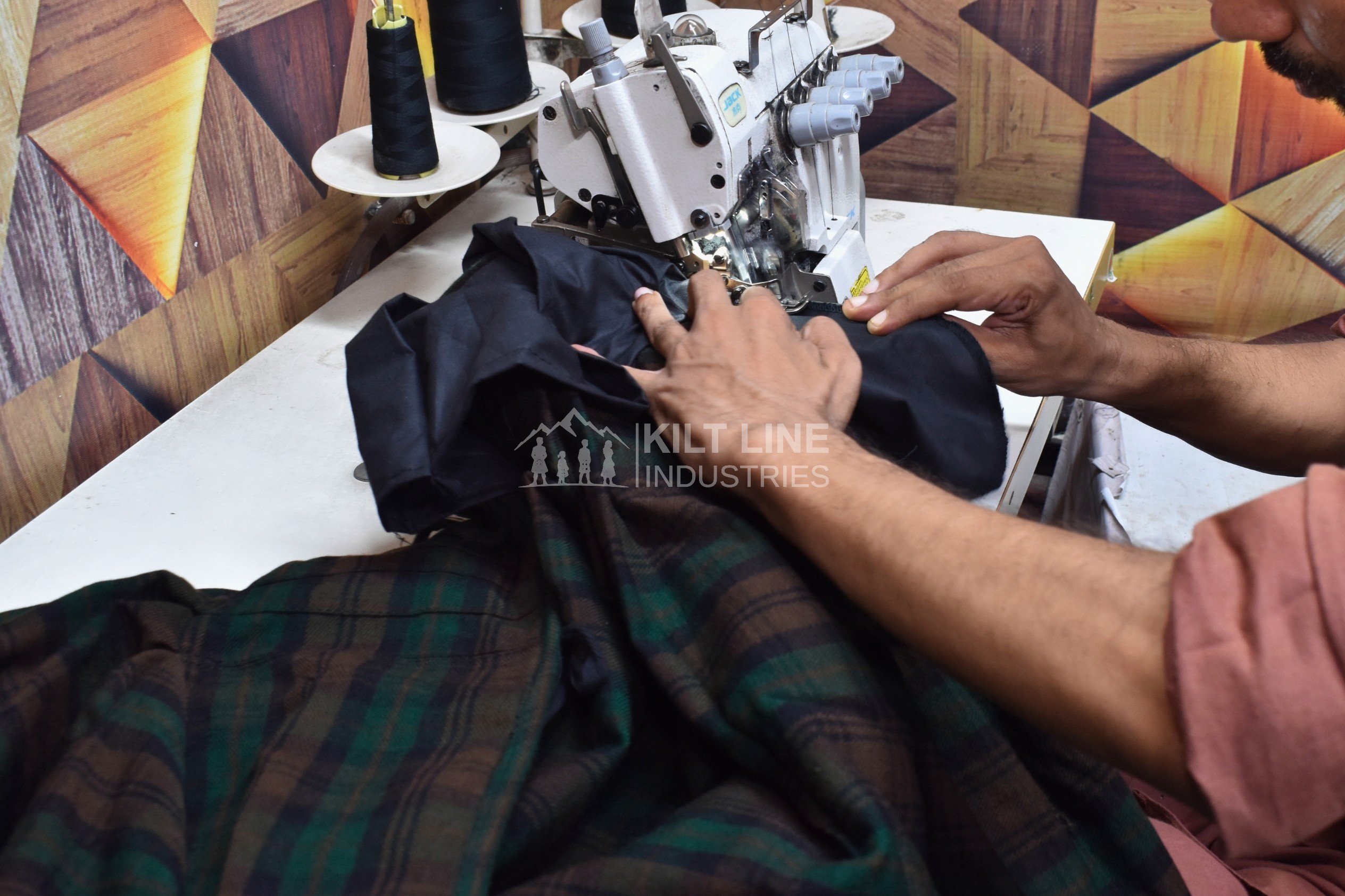
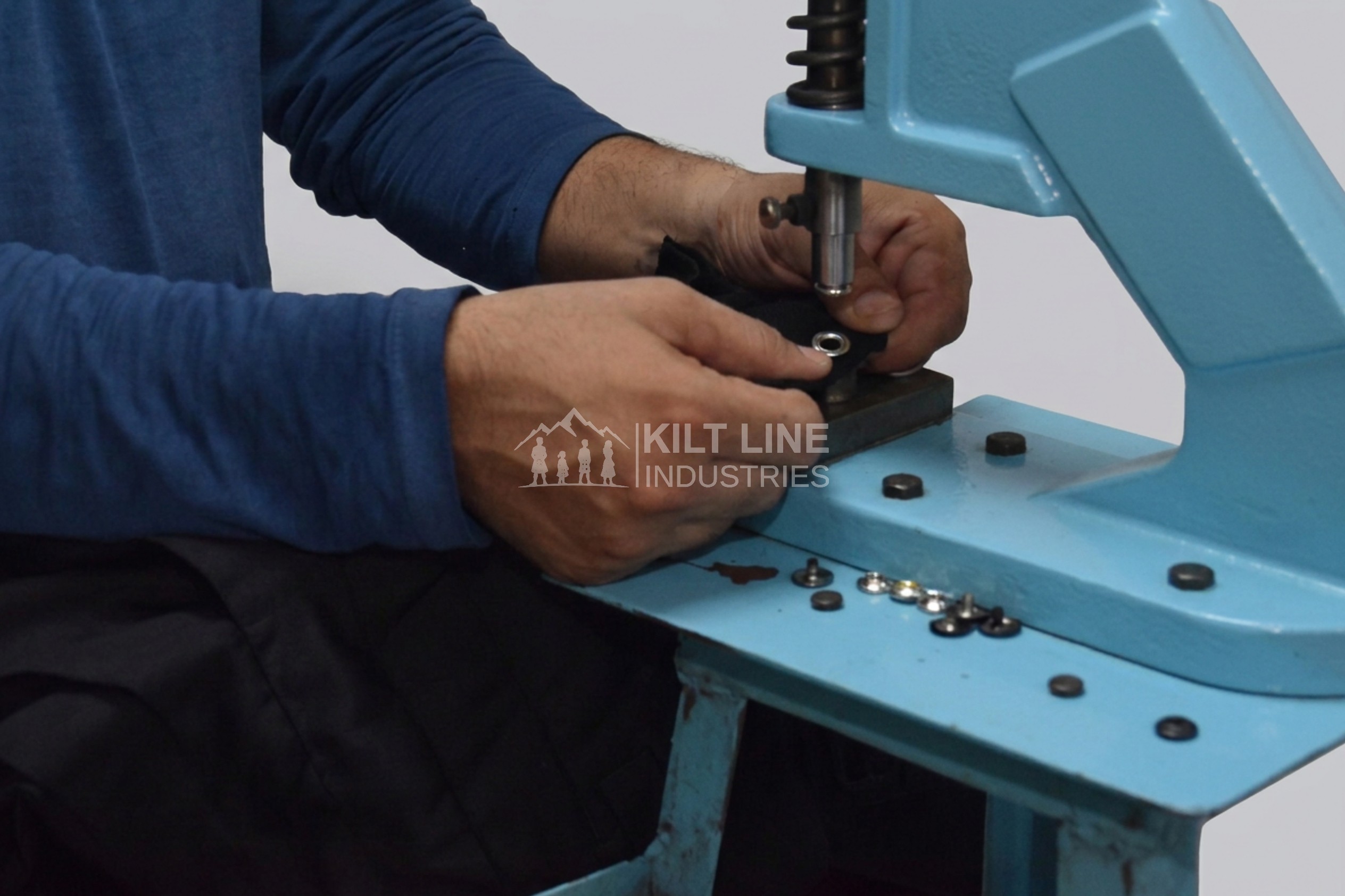
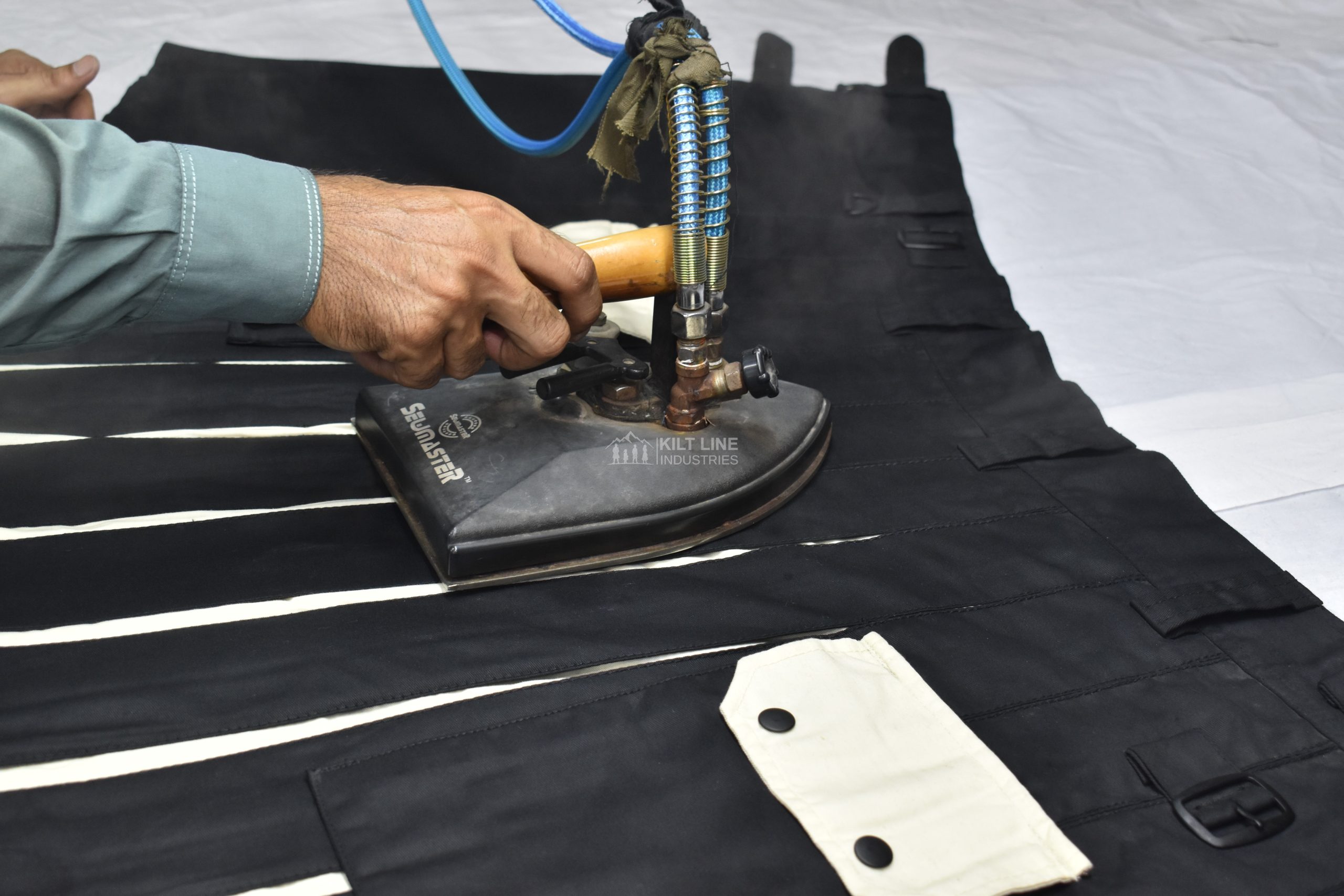
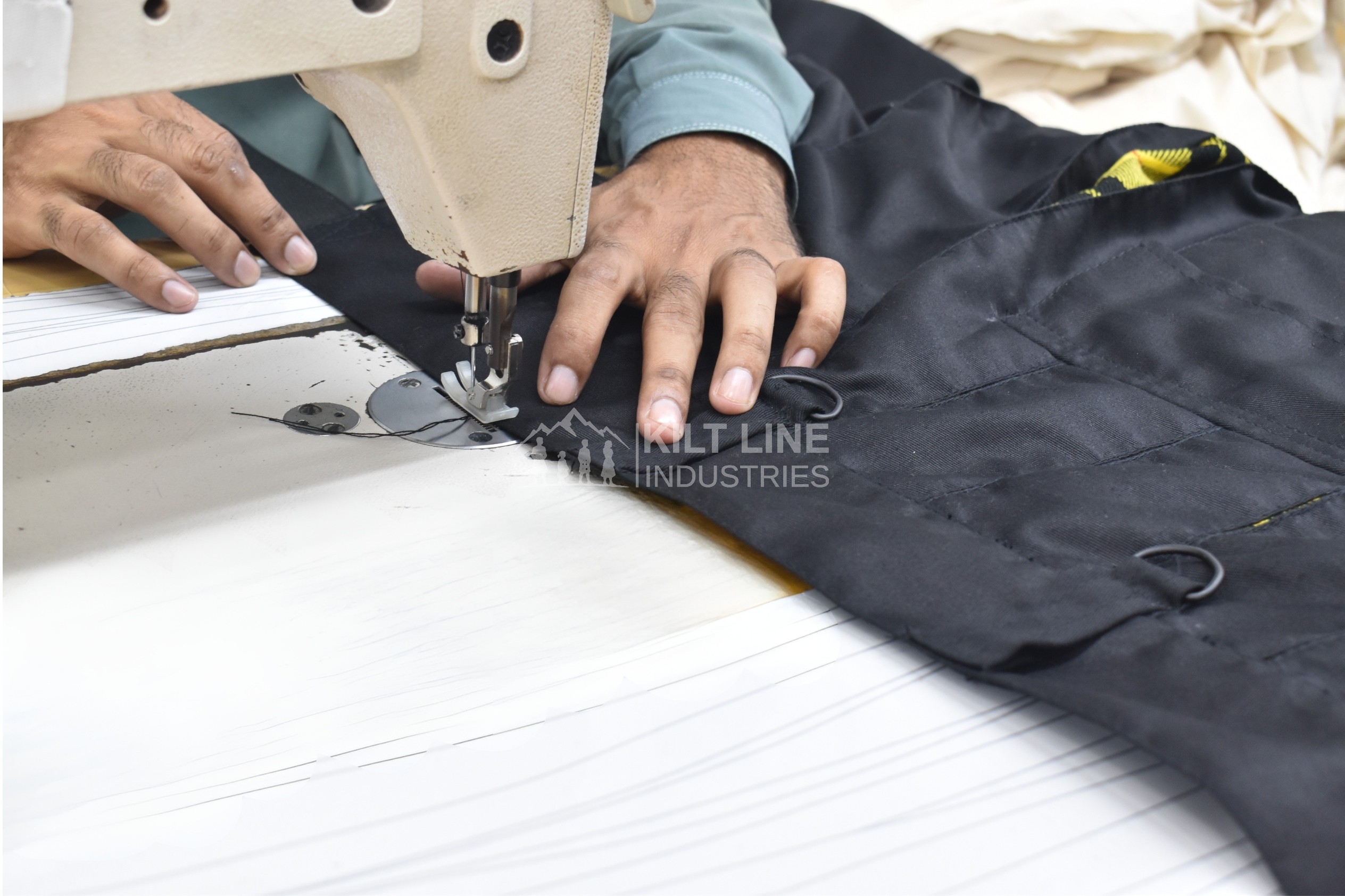
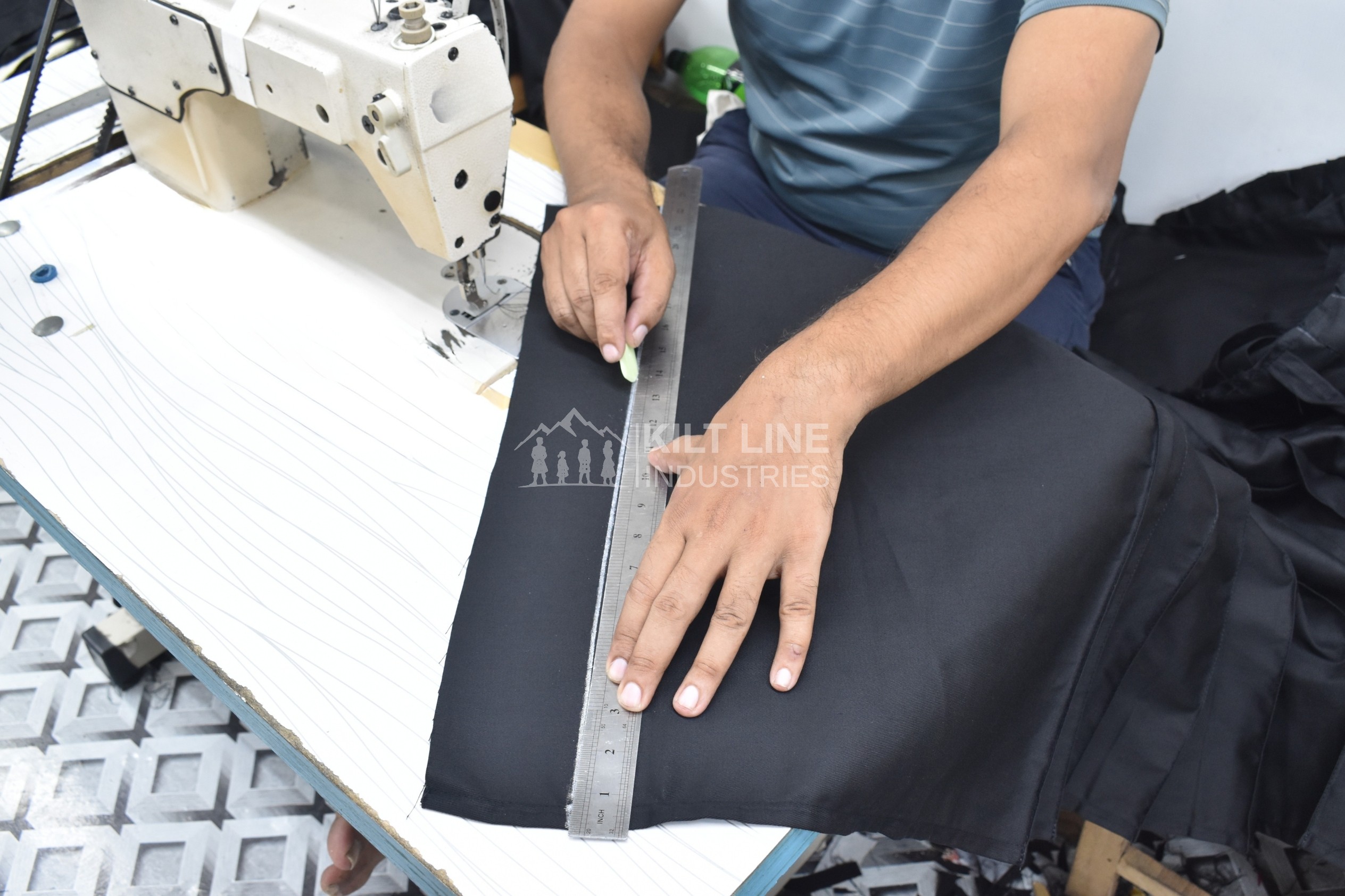
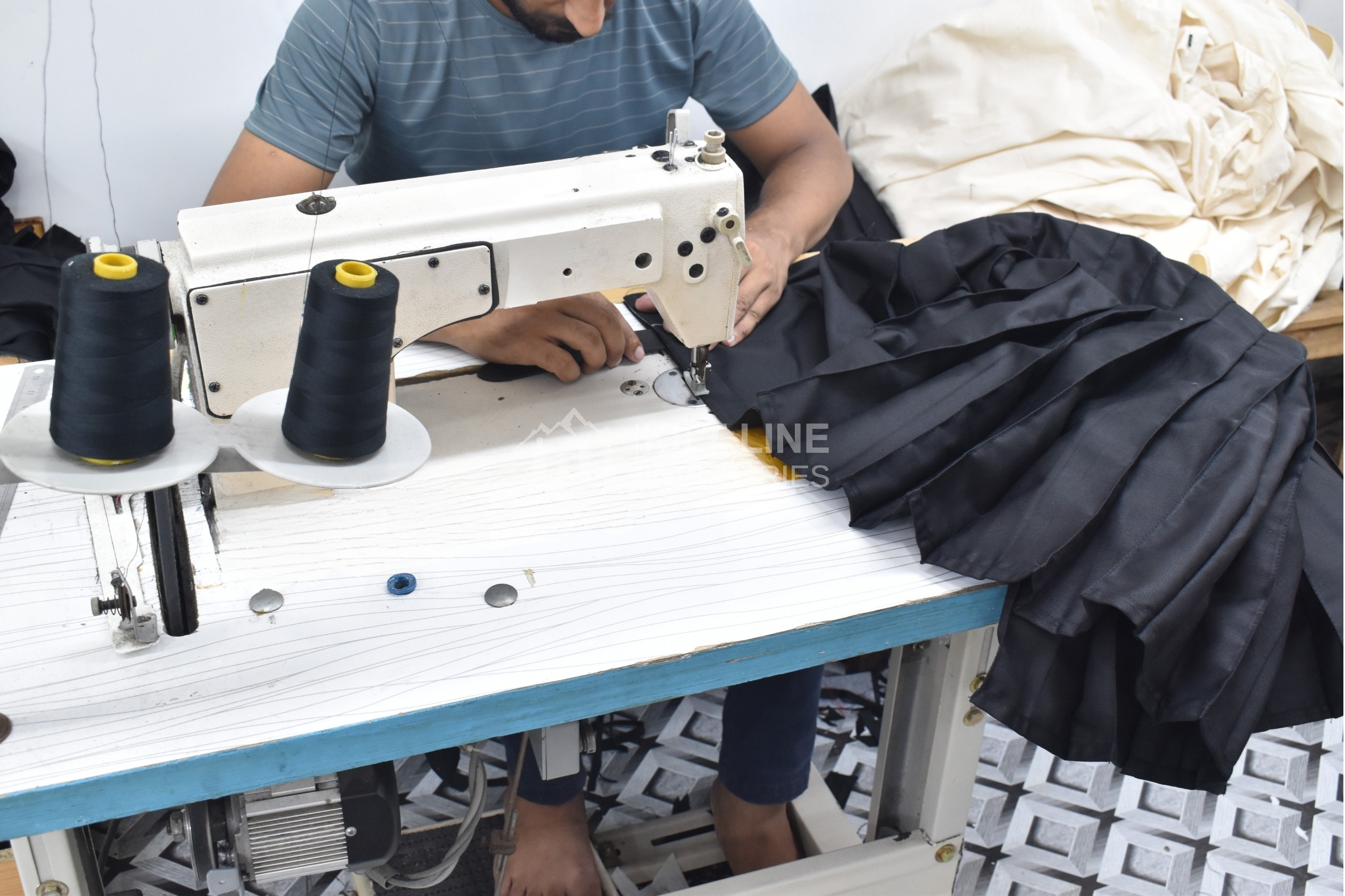
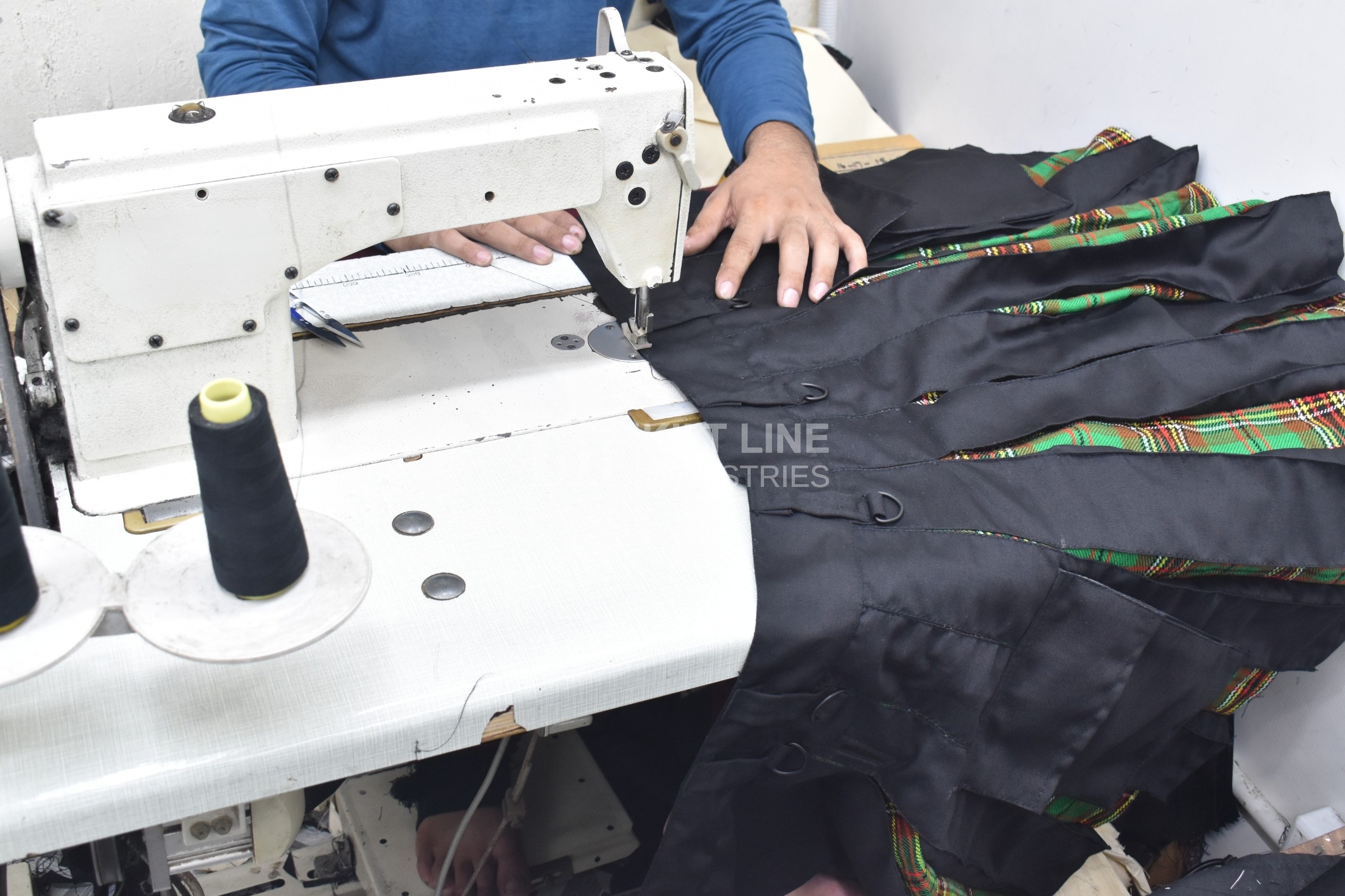
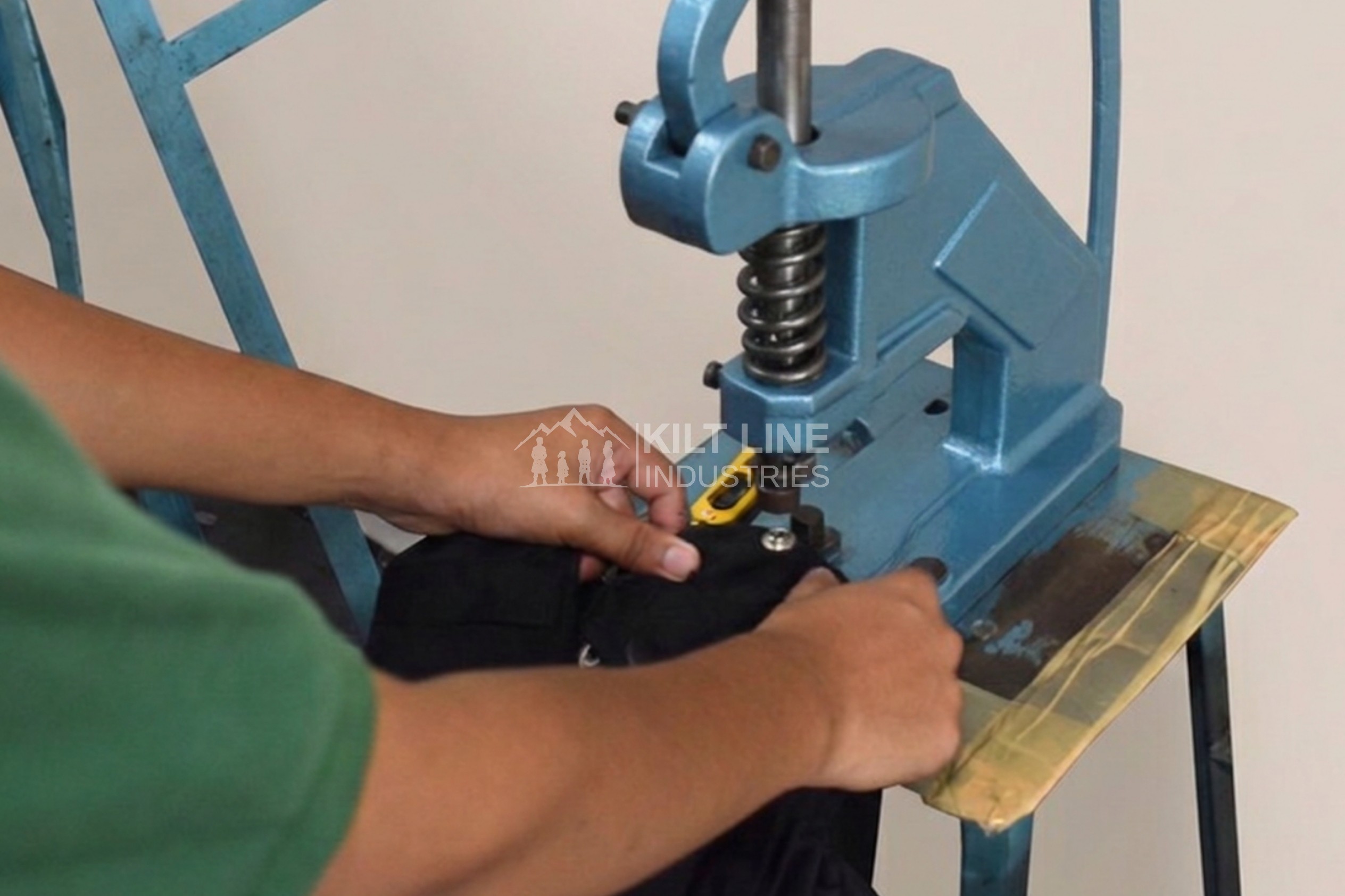
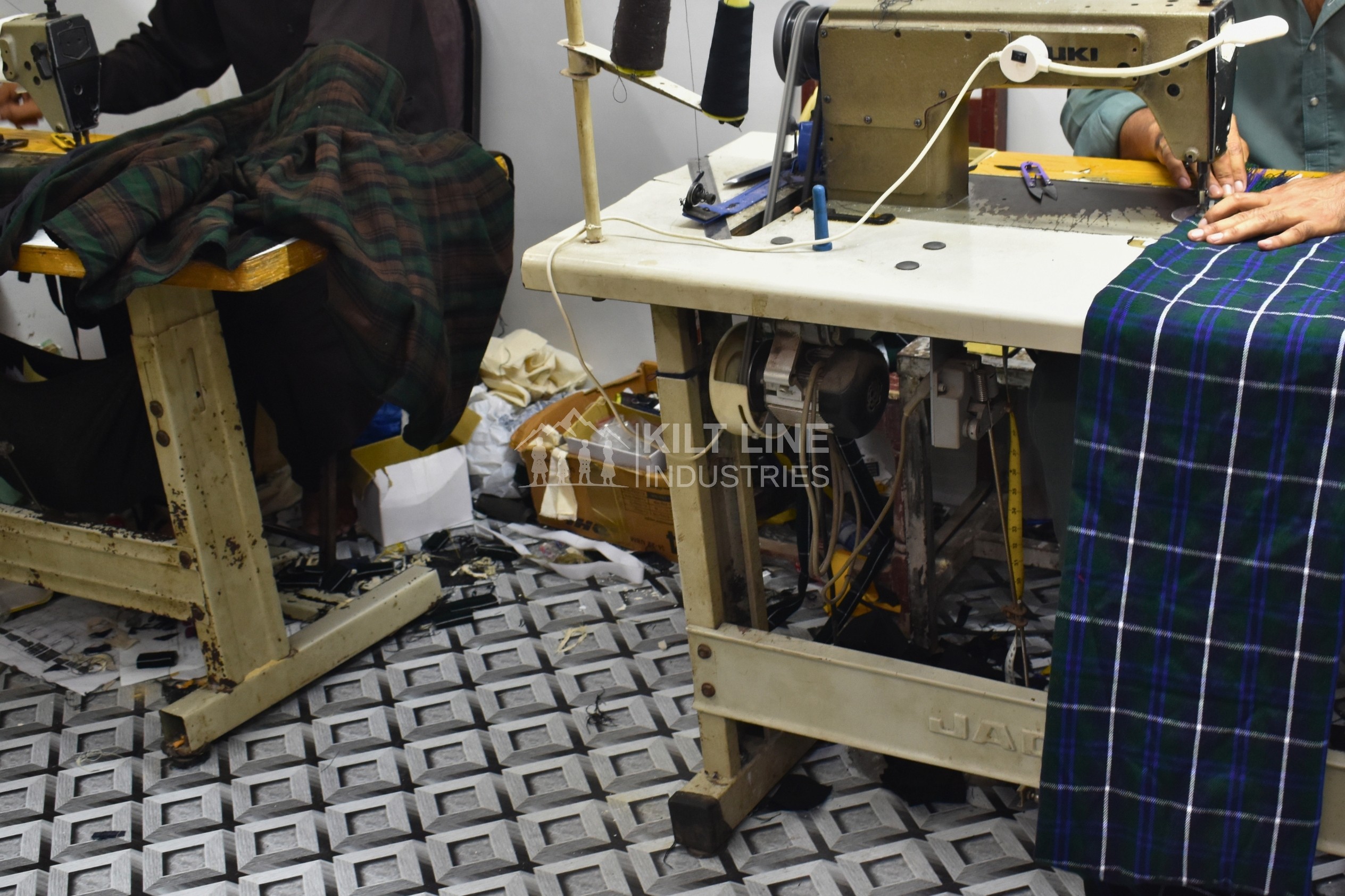
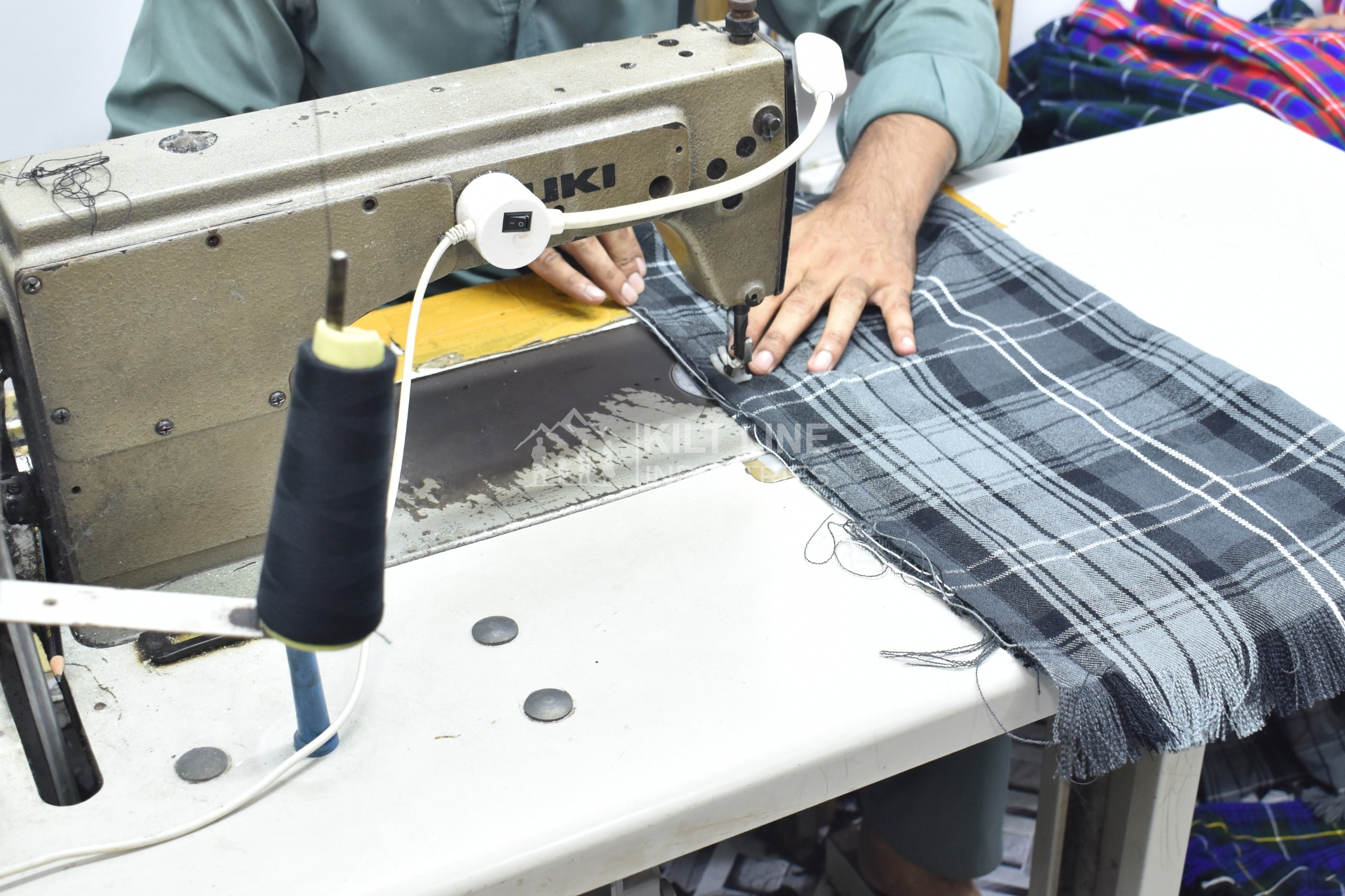
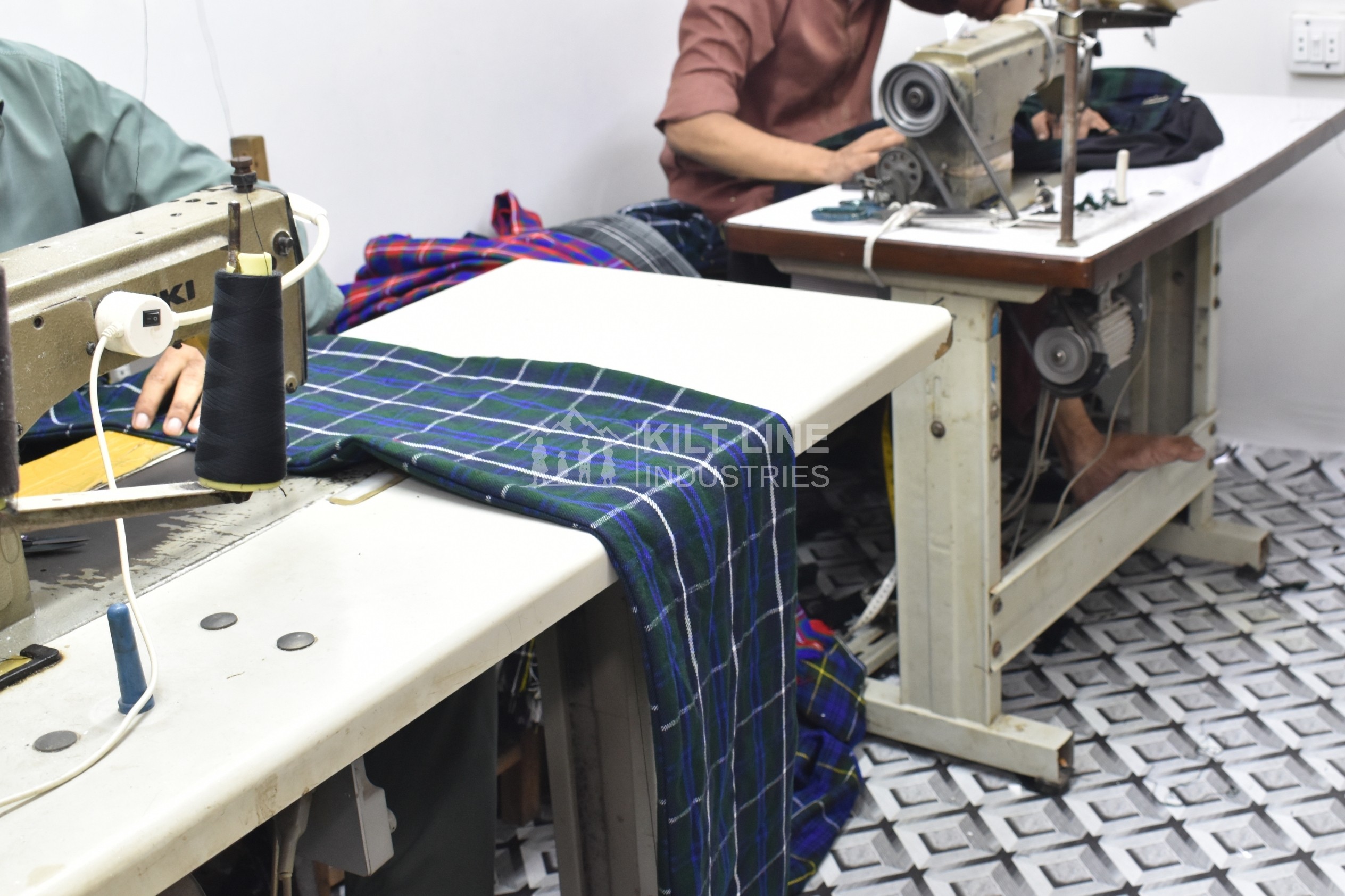
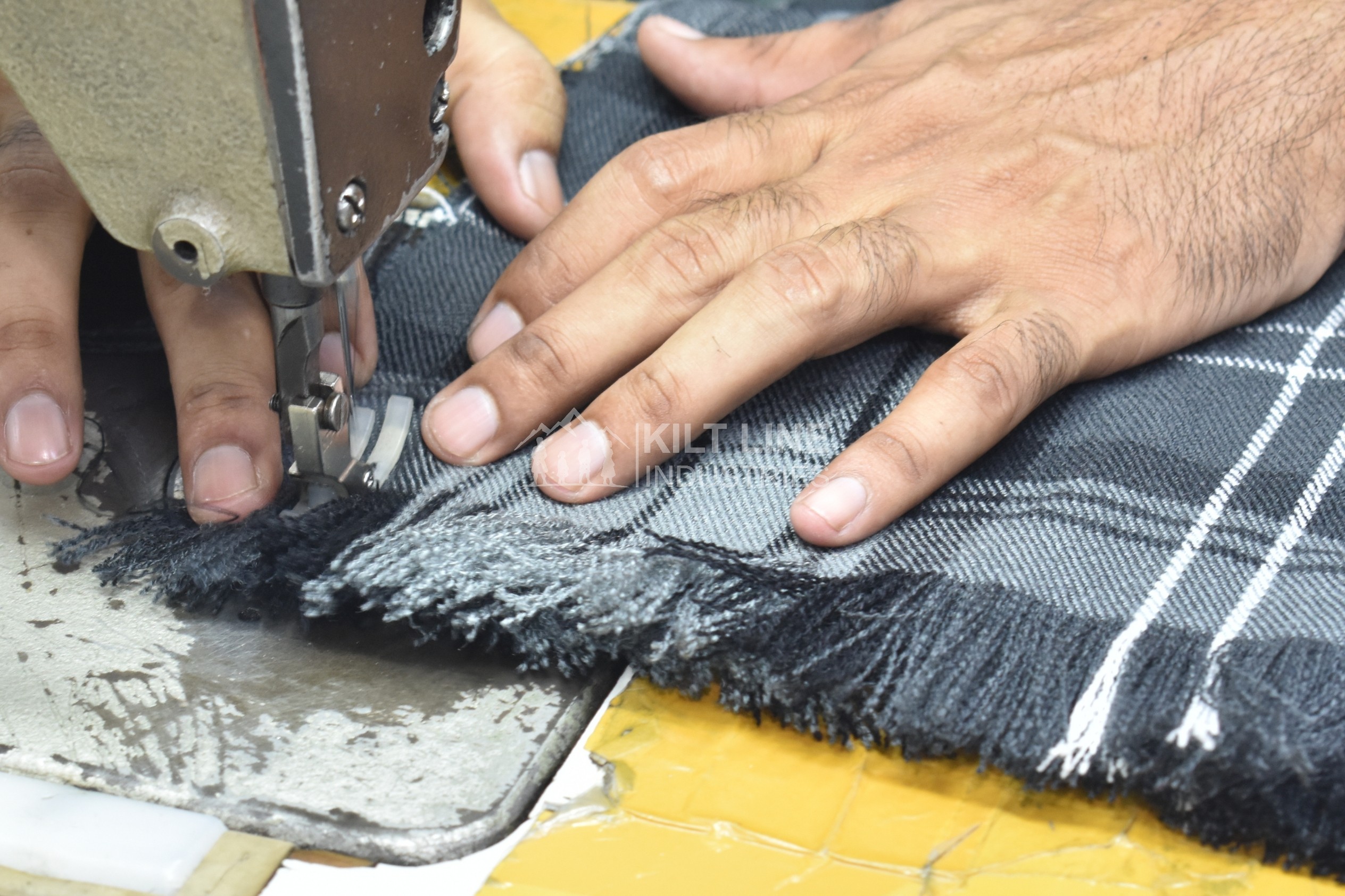
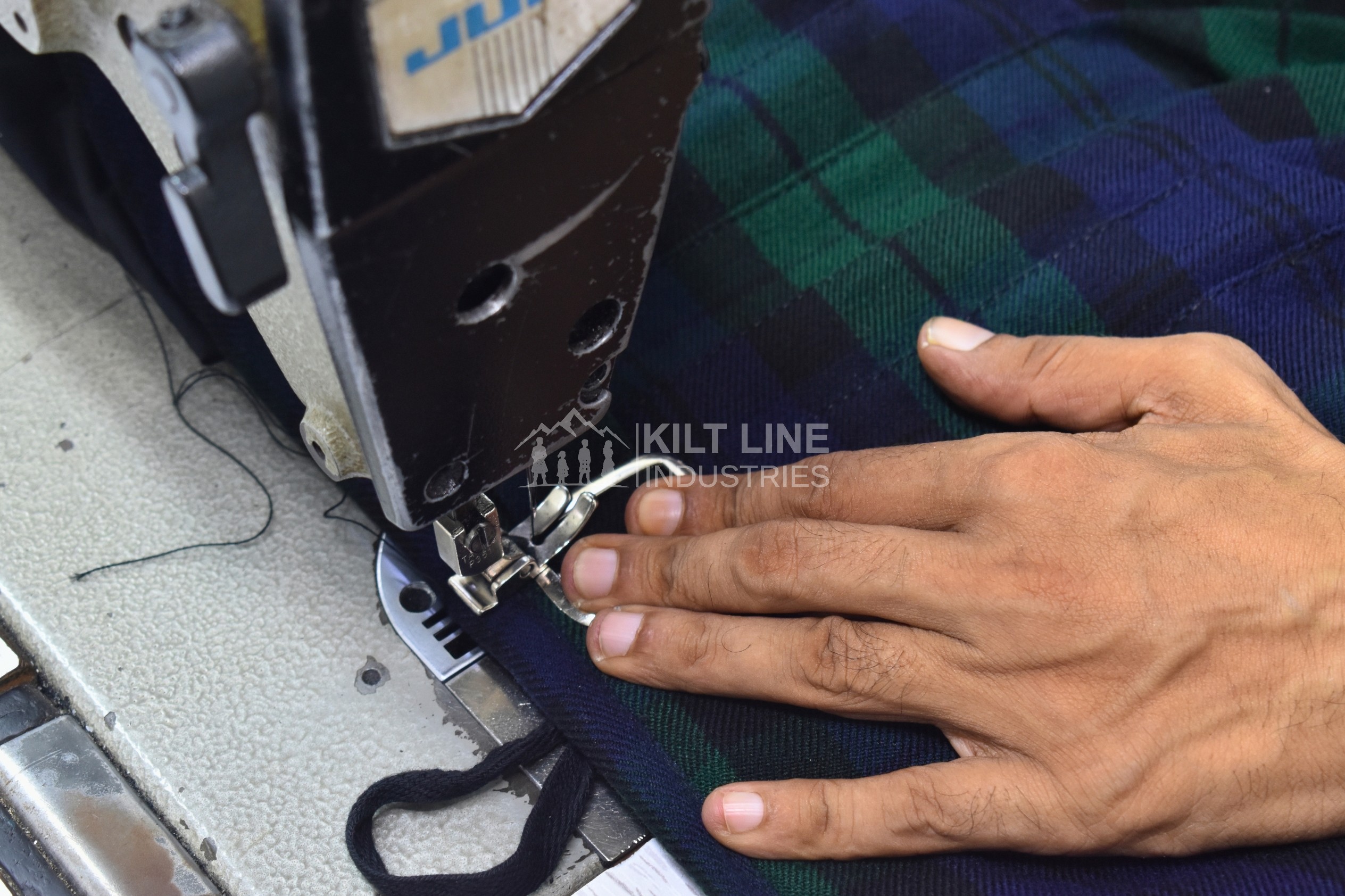
We manufacture in our own factory in Pakistan with 55 people on staff. We do not subcontract production,
which means we can tell you exactly who made your garment and under what conditions.
That is the foundation everything below rests on.
1. Fair labour practices
Direct employment
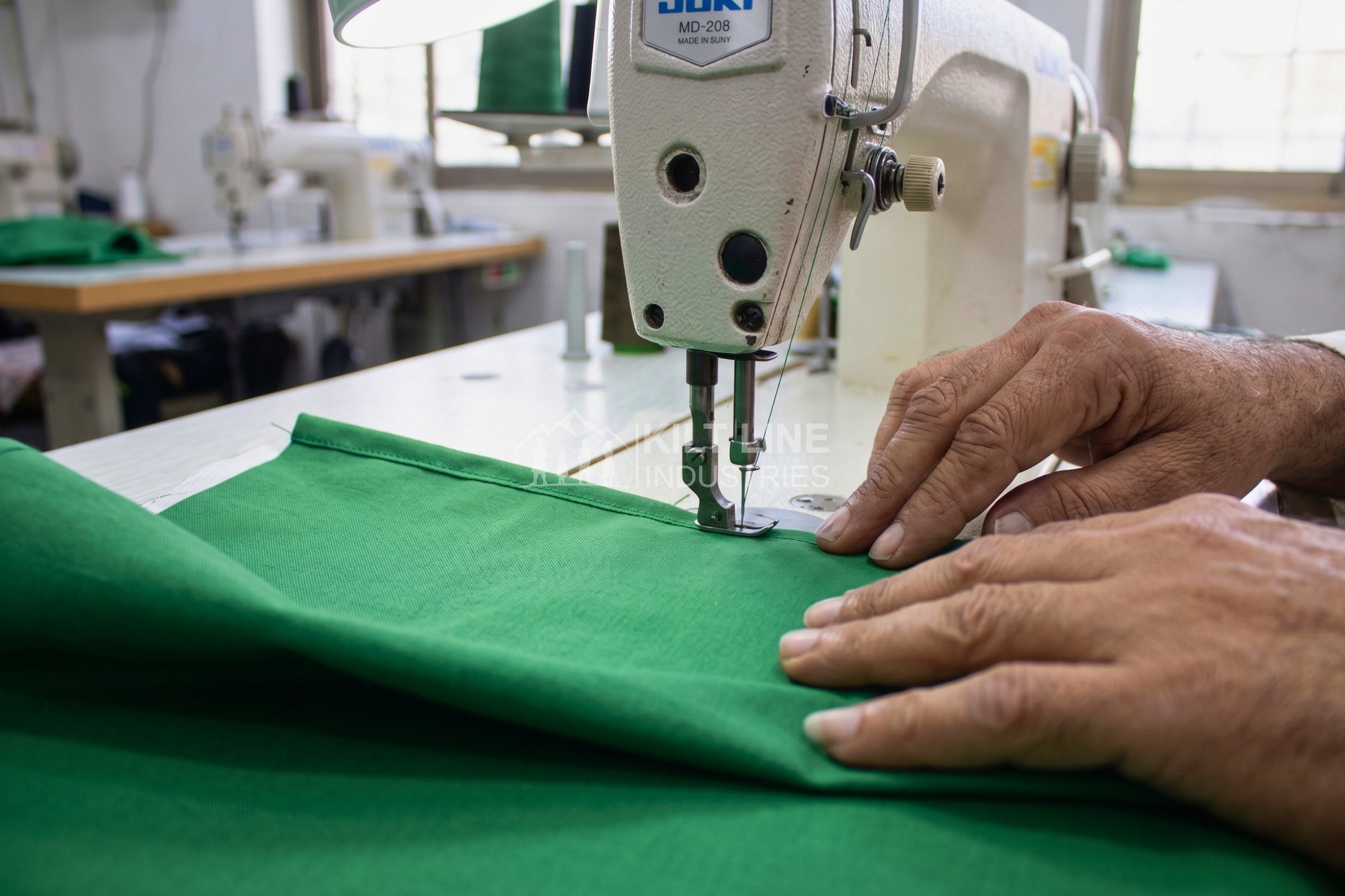
Everyone who makes your order is employed by us. No agency labour, no hidden third-party workshops,
no casual hiring to absorb a busy month. When you place an order, you know where it is being made.
No child labour, no forced labour
Everyone in our factory is an adult, working voluntarily, free to leave. We will confirm this in writing for any buyer who requires it.
A workforce that can speak up
Our team can raise concerns about pay, hours or conditions without fear of losing work. With 55 people, that conversation happens directly rather than through a complaints box.
Skills that stay with people
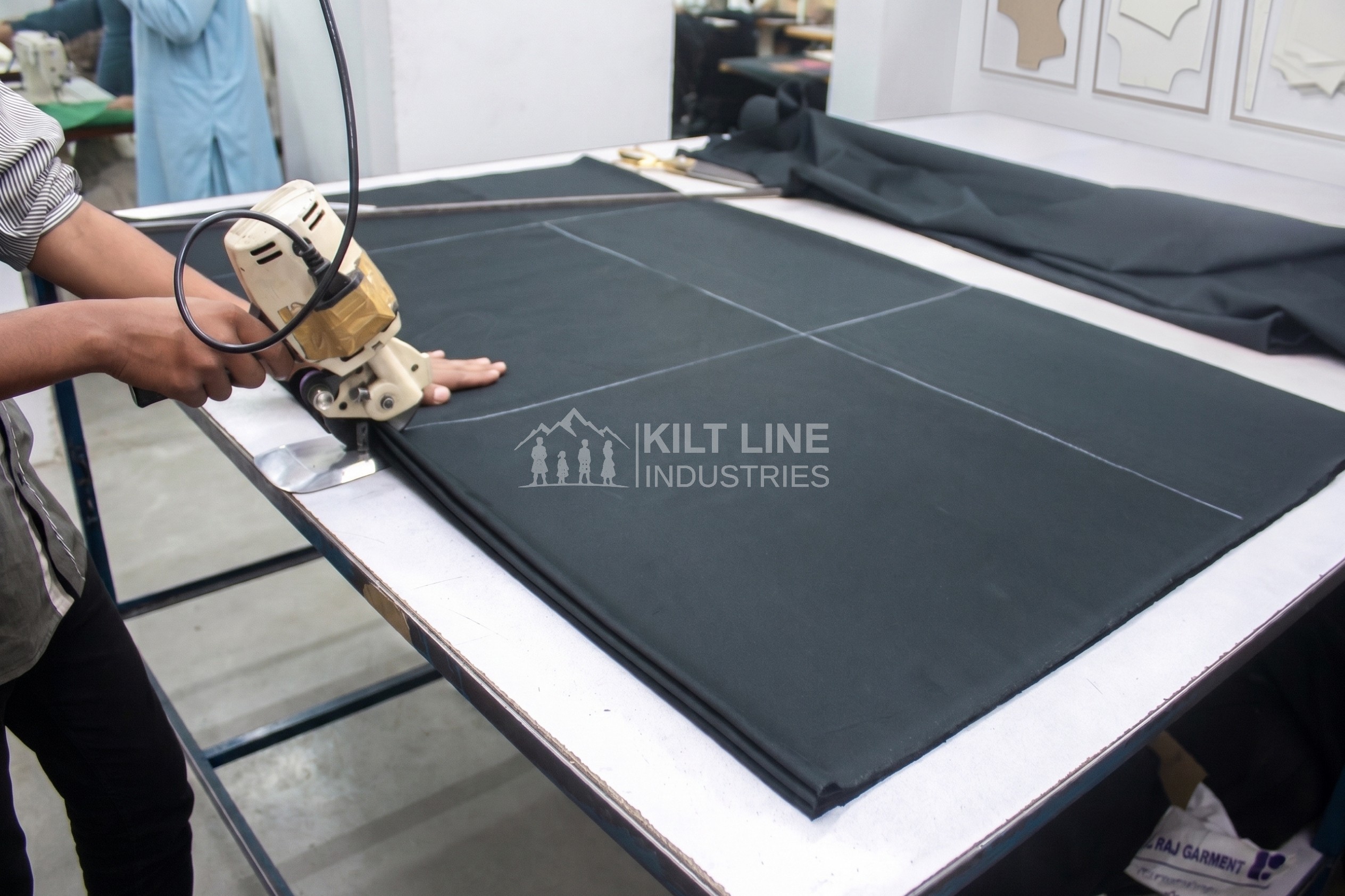
Hand pleating and cutting are learned at the bench over years. Our master cutter has 35 years of experience, and part of his job is teaching. Training people to a trade keeps our standards where they need to be, and leaves our team with skills that belong to them.
2. Materials
Tartan we weave ourselves
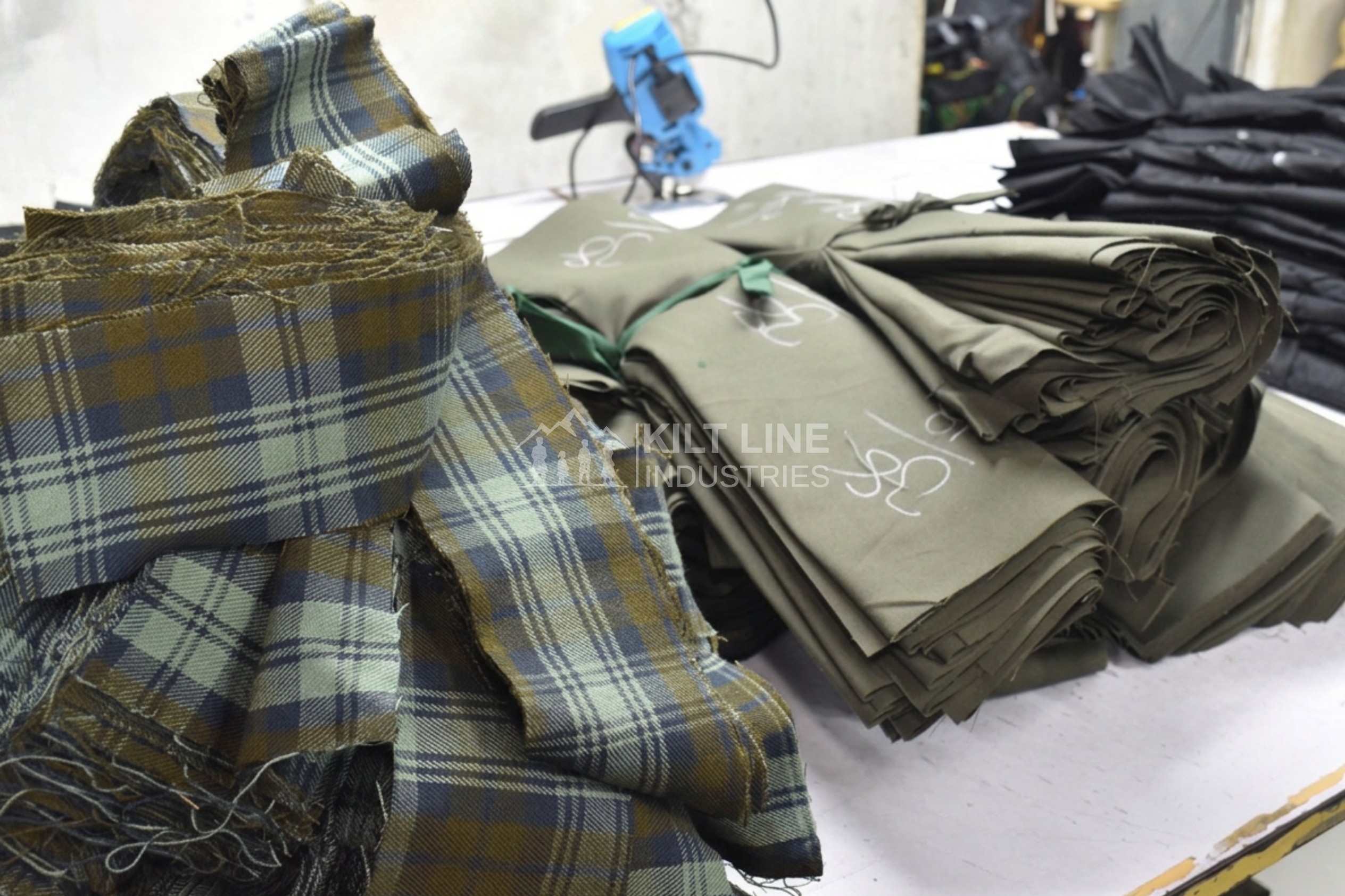
We dye yarn and weave our own cloth on our own looms. Weaving to order rather than to stock means we produce
what is needed instead of holding cloth that may never sell.
Cotton
Cotton drill and canvas for utility kilts. Organic cotton is available on request.
Confirm whether you can source certified organic and from whom.
Wool
Pure new wool and worsted wool for traditional and ceremonial pieces. Wool is durable, biodegradable,
and a well-made kilt outlasts most of a wardrobe.
Recycled polyester
Available across our wool and acrylic and printed ranges on request.
Confirm supplier and whether GRS certification is available.
Offcuts
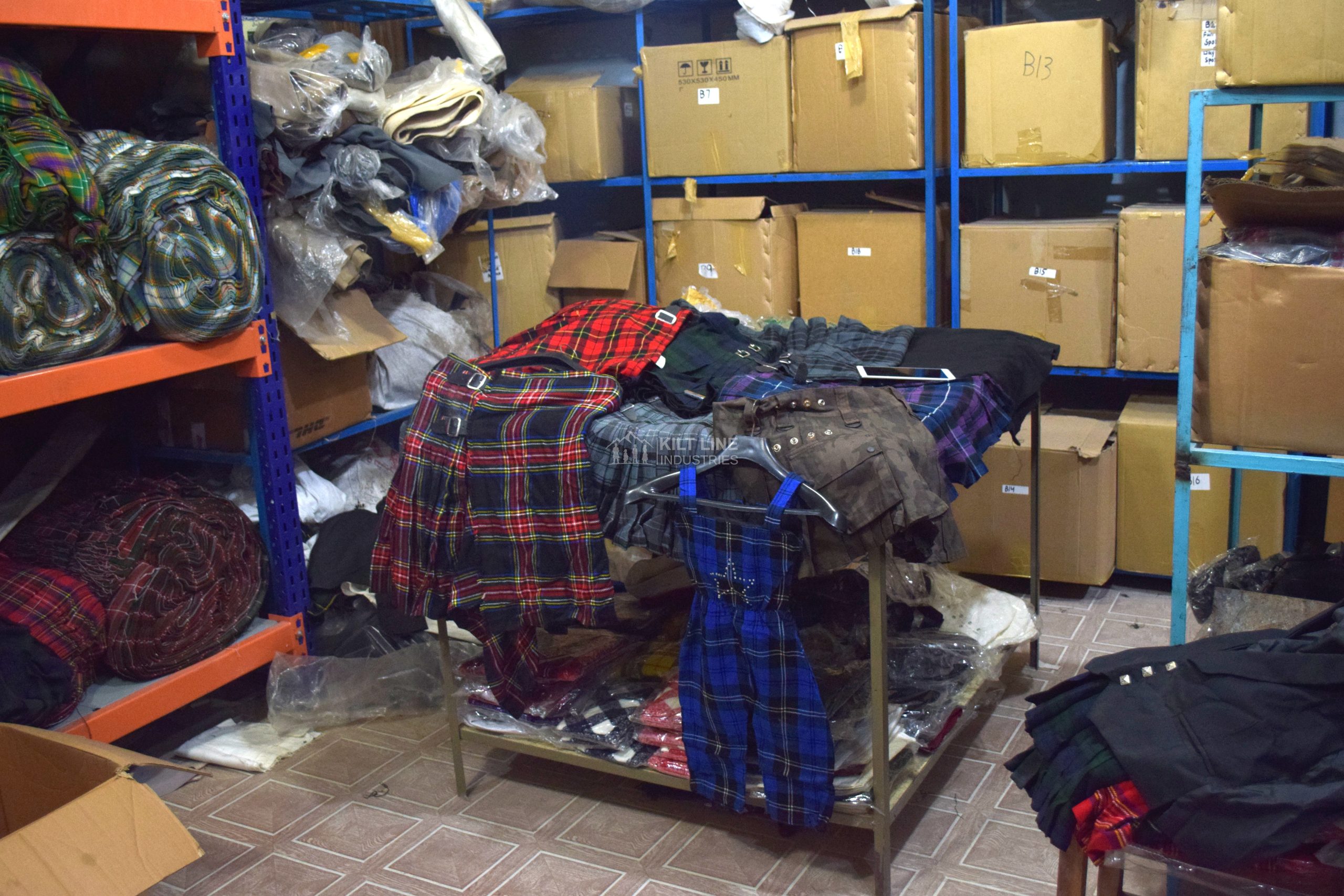
Tartan offcuts go into scarves, ties, pocket squares, scrunchies and bags rather than into waste.
3. Pay
Fair wages for skilled work
Cutting, pleating and weaving are skilled trades and we pay them as such.
Wages meet or exceed the going rate for skilled garment work in our region.
Paid on time
Wages are paid on schedule, every month. Overtime is paid at the correct rate.
Annual review
Pay is reviewed once a year against the cost of living and each person's development.
4. Working conditions
A purpose-built factory
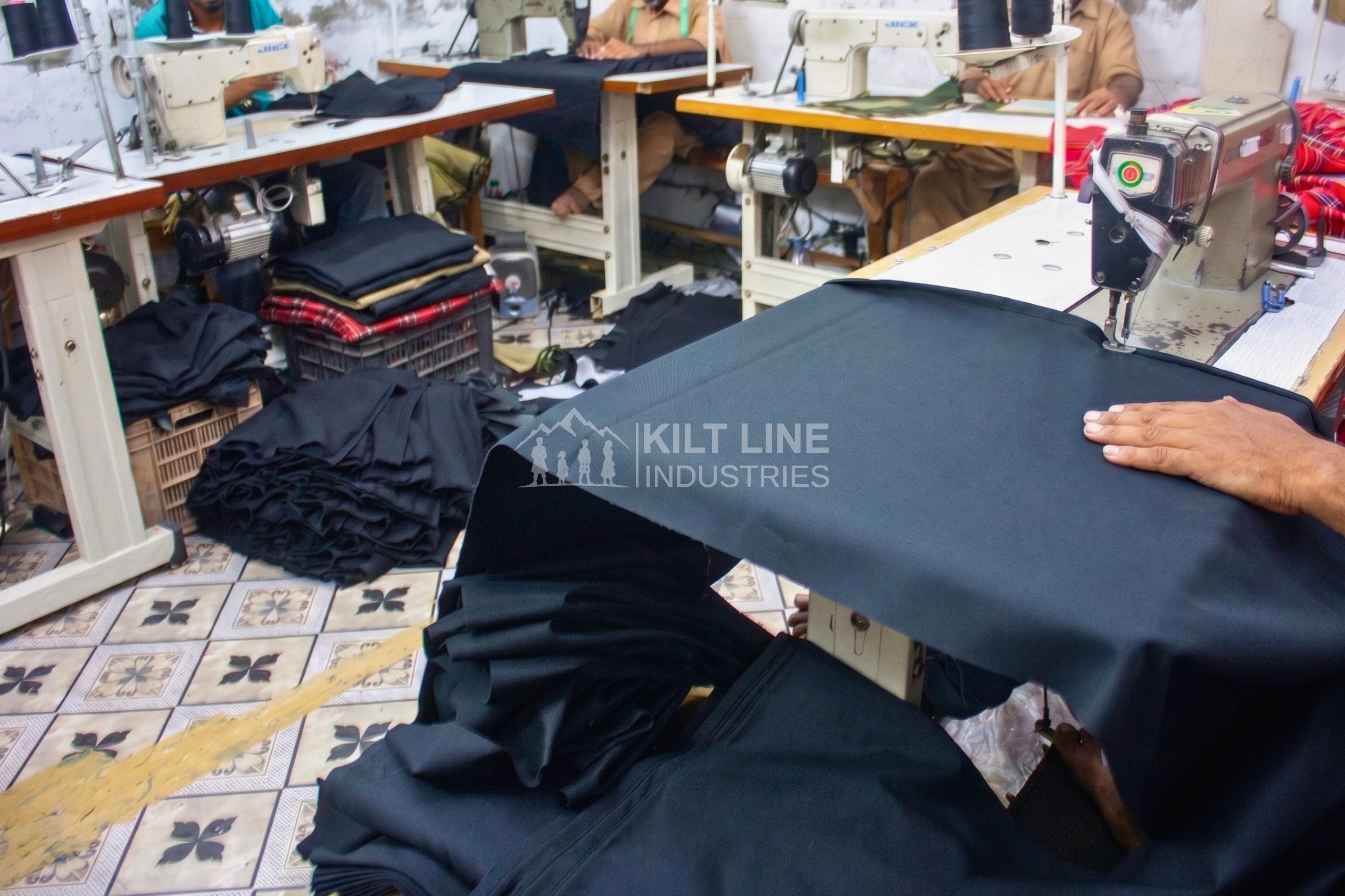
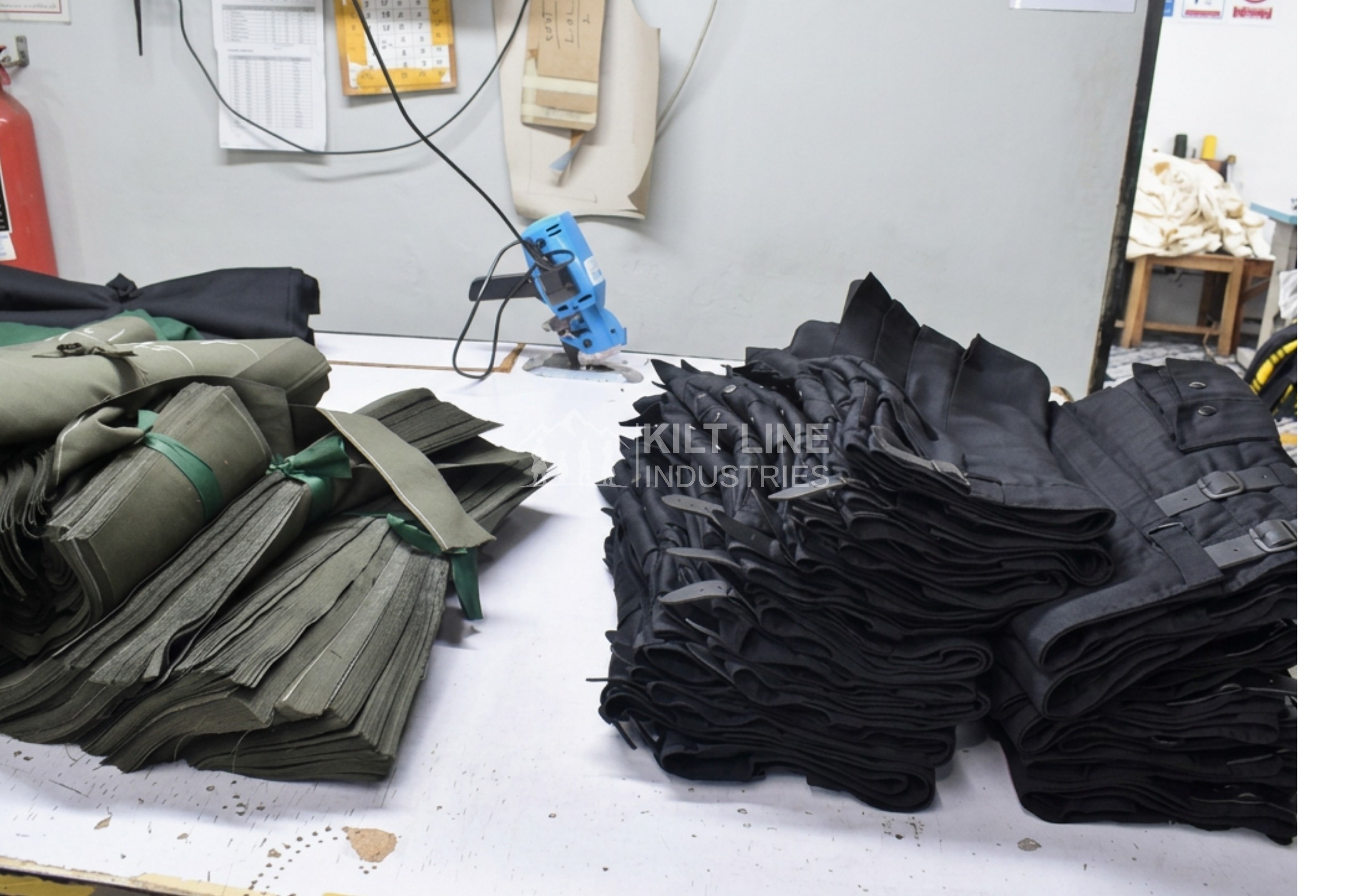
Our building was completed in 2020 with proper lighting, ventilation and space between machines.
Clean drinking water, working washrooms and a break area.
Safety
Machine guarding on all equipment, safe handling of pressing and steam equipment,
clear exits, and a first aid kit that is actually stocked. Add anything else you have — fire extinguishers, safety training, protective equipment.
Reasonable hours
Standard working hours with overtime by agreement and paid at the correct rate. We plan production so deadlines are met by scheduling properly rather than by working people late.
Come and see
Buyers are welcome to visit, or to ask for a live video call from the factory floor. We would rather show you than tell you.
5. Environment
Cleanliness
The factory is cleaned daily. Cloth is stored properly, floors are kept clear, and the cutting and pressing areas are maintained.
Suppliers
We choose mills and trim suppliers who meet our standards on quality
and conduct, and we build long relationships rather than buying wherever is cheapest that week.
Waste
Weaving to order reduces surplus cloth. Offcuts are used in accessories.
Add how you handle water use in dyeing, and any energy measures such as solar.
6. Cost
What ethical manufacturing costs
Paying properly and buying good cloth costs more than the alternative.
We are not the cheapest quote you will receive, and we are not trying to be.
What you get is a garment made once, correctly, by people who are paid for their skill.
Why we explain our pricing
When we quote, we tell you what drives the figure: the cloth, the yardage, the labour, the finish.
You can see where your money goes and decide what to adjust.
Value over time
A well-made wool kilt is worn for decades and often passed down.
Judged over its life rather than at the till, it is the cheaper garment.
In closing
Ethical manufacturing is not a certificate on a wall. It is who employs the workers,
what they are paid, and whether a buyer can walk in unannounced and see the same factory that appears on the website.
We are not going to list certifications we do not hold. If your retailer requires a specific audit — BSCI, SEDEX, WRAP, GOTS
tell us which and we will work towards it. Until then, judge us on a factory visit and a finished garment.